
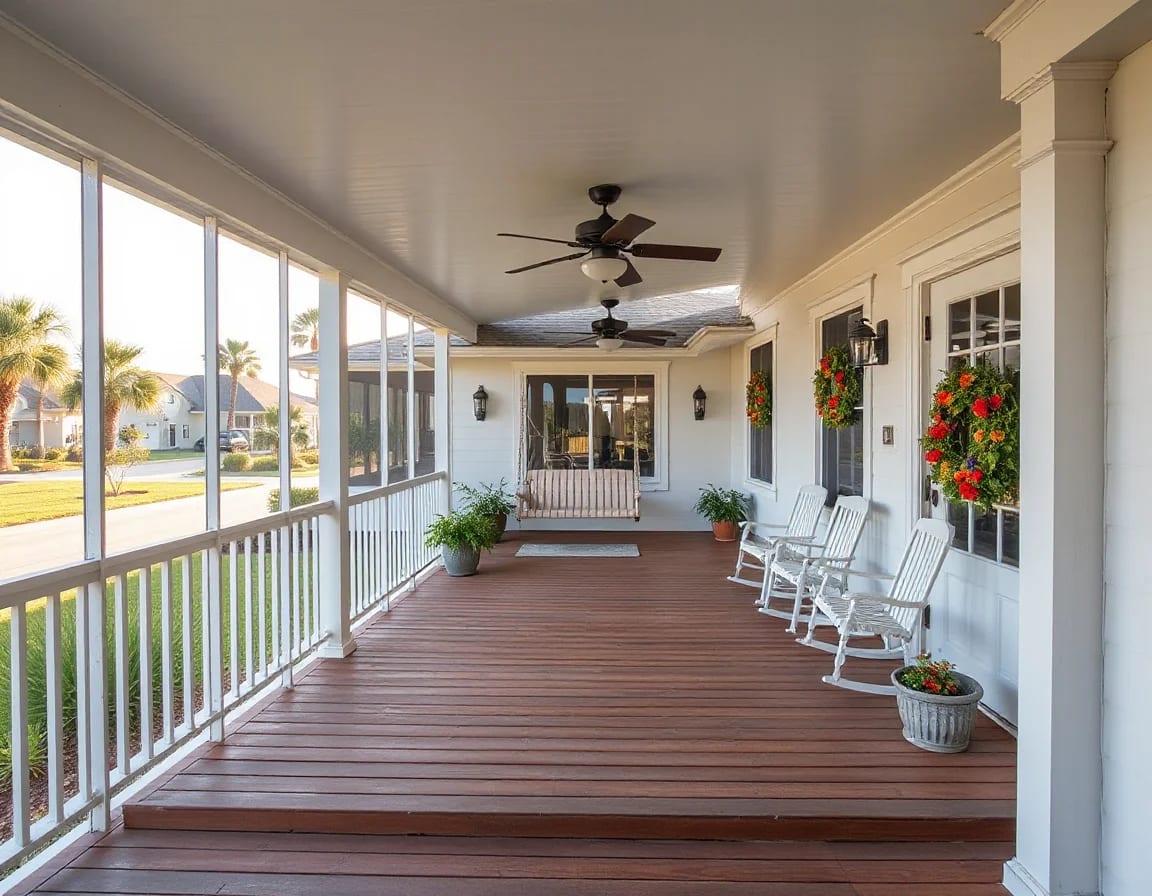
Hurricane-ready improvements can give Melbourne home sellers a clearer story to tell: documented maintenance, durable materials, and features that may reduce a buyer’s near-term project list. The strongest approach is not simply adding upgrades—it is organizing permits, warranties, inspections, and receipts so buyers can understand exactly what has been completed.
Why Storm-Ready Details Matter When Selling in Melbourne
In Melbourne, Florida, buyers often look beyond paint colors and kitchen finishes when comparing homes. Roof age, opening protection, drainage, and mechanical systems can shape how a property is evaluated during showings, inspections, insurance conversations, and offer negotiations. A well-maintained home with clearly documented upgrades can make it easier for buyers to understand the condition of the property and plan their next steps.
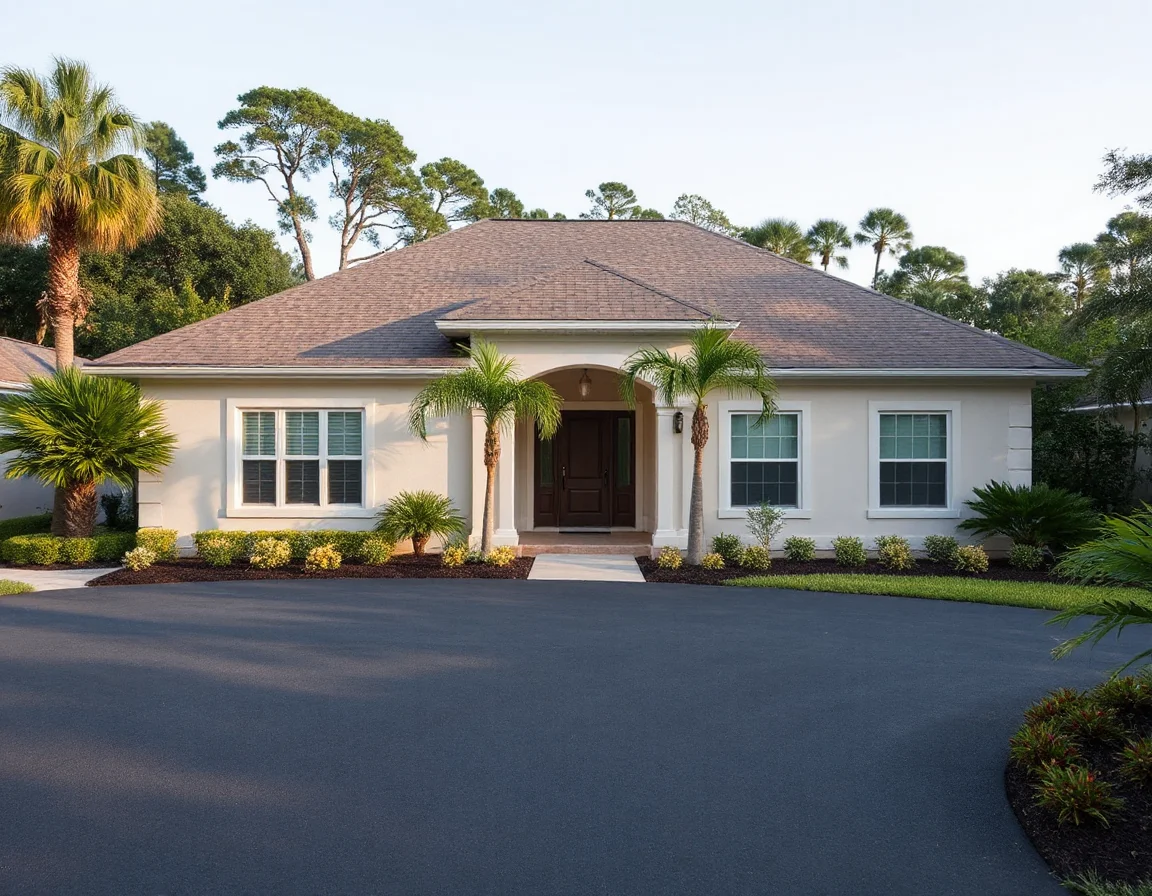
Storm preparation is not a single product or a promise about future weather performance. It is a collection of practical decisions—made over time—that can improve a home’s durability, simplify maintenance, and create a more complete property record. For sellers, that record matters. Receipts, permit information, manufacturer warranties, wind-mitigation reports, and before-and-after photos can turn a vague “updated” description into useful information for interested buyers.
Before investing in a major project solely for resale, consider the home’s current condition and the features already present. A recent roof may carry more weight than a cosmetic replacement, while a properly permitted opening upgrade may be more useful to a buyer than an expensive change that is difficult to document. Reviewing the property through the lens of condition, code compliance, and maintenance can help prioritize improvements.
A folder containing permits, invoices, transferable warranties, roof documents, and a current wind-mitigation inspection can be nearly as valuable in a showing as the upgrade itself because it gives buyers concrete details to review.
1. Start With the Roof and Its Documentation
A roof is one of the first exterior components buyers notice and one of the most closely examined during inspections. If a roof replacement is already needed, selecting materials rated for Florida conditions and working with a properly licensed contractor can help create a strong foundation for the home’s maintenance story. Sellers should keep the final permit record, contractor invoice, warranty paperwork, product specifications, and any inspection sign-offs together.
Even when replacement is not necessary, roof maintenance can be worthwhile. Clearing roof valleys and gutters, addressing damaged flashing, repairing loose soffit areas, and trimming vegetation away from the structure can improve the home’s presentation. These are not dramatic upgrades, but they show attention to ordinary maintenance—something buyers frequently look for when deciding whether a property feels move-in ready or project-heavy.
It is also helpful to avoid making broad claims about a roof’s remaining life unless there is a qualified inspection or contractor documentation supporting the statement. A seller can accurately describe the installation year, material type, permit status, and completed repairs. Buyers can then use those specifics in their own due diligence.
2. Upgrade Windows, Doors, and Other Openings Thoughtfully
Impact-rated windows and doors, approved storm panels, and professionally installed shutters are among the features many Florida buyers ask about. These improvements can help demonstrate that the home’s openings have been considered as part of its overall hurricane preparation. The key is to describe the feature precisely: identify whether the property has impact-rated glass, removable panels, accordion shutters, roll-down shutters, or another system.
For existing shutters or panels, take inventory before listing. Confirm that all components are present, label panels by opening if possible, locate anchors and hardware, and make sure storage areas are orderly. If an operating system needs adjustment, schedule service well before photography and showings. A buyer should be able to see what protection is available without sorting through an unlabeled stack of materials in the garage.
New exterior doors can also be a practical improvement when an older door has visible wear, poor weatherstripping, or hardware issues. A properly installed door with clear product information may improve curb appeal while addressing an important exterior opening. As with windows, retaining installation paperwork and permits helps the feature carry more credibility.
3. Give the Garage Door and Exterior Connections Attention
The garage is often a high-traffic space during showings, and its condition can influence a buyer’s overall impression of the home. A reinforced or wind-rated garage door may be a meaningful feature, particularly when paired with documentation of its rating and installation. If the current door is operational but worn, repairs to rollers, seals, tracks, and weatherstripping can still improve presentation and function.
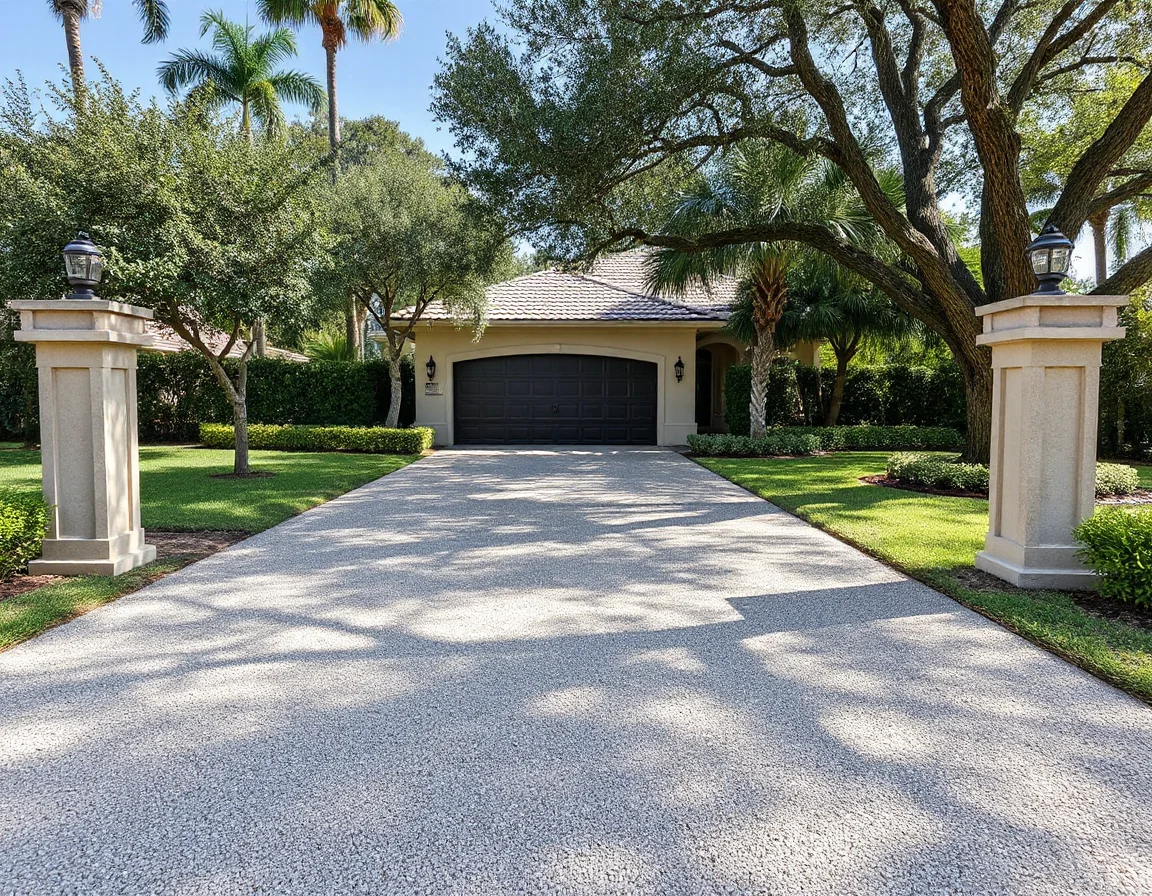
Look beyond the door itself. Exterior connections such as loose fencing, aging gates, unsecured storage structures, detached sheds, and worn patio screens may appear minor, but buyers often factor them into their estimate of future upkeep. Completing straightforward repairs before listing can make the exterior feel more finished and can keep attention focused on the home’s stronger features.
For properties with a pool enclosure, covered patio, or screened lanai, routine service and clear maintenance records can be useful. Replace visibly torn screening, address corrosion where appropriate, and ensure doors latch correctly. These tasks do not guarantee performance in severe weather, but they show that the exterior systems have not been neglected.
4. Improve Drainage and Manage Water Around the Property
Water management is an important part of exterior maintenance in Brevard County’s wet climate. Buyers may notice standing water, overflowing gutters, eroded mulch beds, or downspouts that empty immediately beside the foundation. Addressing these visible issues before listing can improve both appearance and function.
Potential projects may include extending downspouts toward an appropriate drainage area, regrading small problem spots, refreshing worn drainage swales, cleaning gutters, or repairing damaged irrigation components. The right solution depends on the lot, local regulations, and how water moves across the property. Sellers should avoid making representations that drainage improvements eliminate flooding risk; it is more accurate to explain what work was completed and provide any relevant records.
Landscaping can support this effort. Keep tree limbs maintained, remove dead branches, secure loose landscape features, and choose tidy planting beds that do not block drainage routes. A clean exterior gives buyers a better view of the lot and helps inspection conversations focus on the property’s actual condition rather than easily corrected clutter or deferred maintenance.
Small exterior maintenance items often become more noticeable during inspections than during a quick showing. Completing them early gives sellers time to gather invoices and address follow-up recommendations before an offer arrives.
5. Consider Backup Power and Mechanical Preparedness
Backup power options can be a useful differentiator when they are installed and documented correctly. A permanently installed generator, transfer switch, interlock device, or dedicated generator inlet should be described with specifics about the system, fuel source, servicing history, and permits where applicable. If the home includes portable equipment, it is generally best to describe it separately from permanently installed property features unless it is intended to convey with the sale.
Mechanical preparedness also includes ordinary servicing. Have the HVAC system inspected, replace filters, confirm that condensate lines are clear, and retain service records. For homes with sump equipment, well systems, septic components, or pool pumps, provide relevant maintenance documentation when available. These details help buyers understand what systems are present and what recent care has been performed.
A final pre-listing walk-through can bring all five upgrade areas together. Check the roofline and gutters, test shutters or opening protections, inspect the garage door, review drainage, and organize mechanical paperwork. This process is less about creating a perfect house and more about presenting an accurate, well-supported picture of the property.
Turn Completed Work Into a Clear Selling Story
The most effective hurricane-ready listing strategy combines visible condition with reliable documentation. Rather than relying on broad language, sellers can provide concrete details: roof installed in a specific year, impact-rated openings installed under permit, maintained drainage features, serviced mechanical systems, or an approved backup-power connection. Those facts help buyers compare properties with greater confidence.
Whether you are preparing for a near-term sale or planning improvements over several seasons, focus on projects that fit the home’s needs, use qualified professionals when required, and keep every record. In Melbourne’s market, a thoughtful maintenance history can help a property stand out for the right reasons: clarity, care, and a practical approach to Florida homeownership.